諸行無常

Catalogue 1

Religion & Philosophy

Kokoro at the head, with the Hōjōki, the Tsurezuregusa and No Longer Human: four books, across seven centuries, about how to live and what it costs.

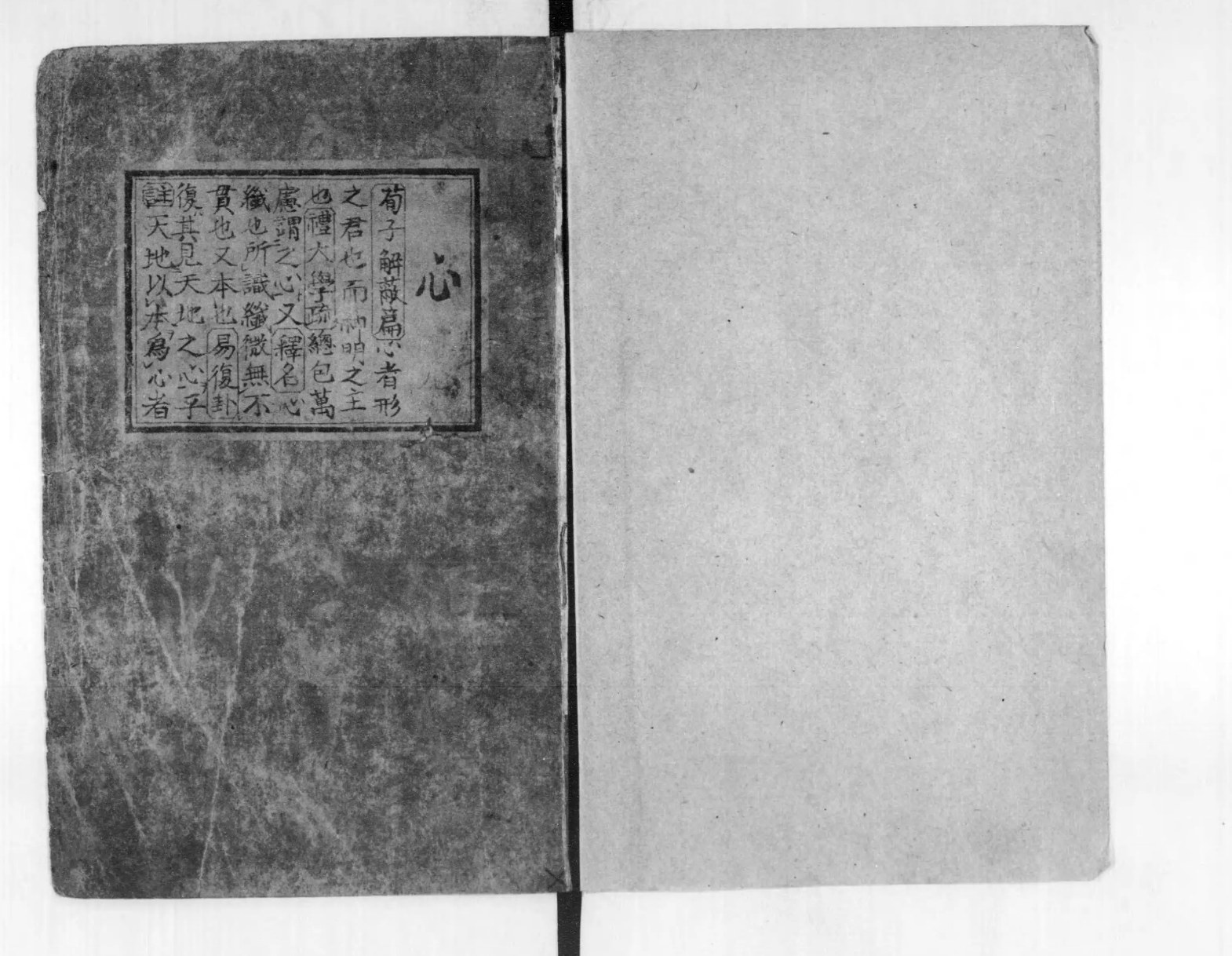
The boards of the 1914 first edition, with the Xunzi passage Sōseki chose for the cover. NDL copy.

“I ALWAYS CALLED HIM SENSEI”

NATSUME SŌSEKI. Kokoro 『こゝろ』. Tōkyō : Iwanami Shoten, Taishō 3 [1914].

Serialised in the Asahi Shimbun from April to August 1914 and published in book form that September by the young firm of Iwanami Shoten, Kokoro was designed by its author: the cloth board carries a passage from the Xunzi in Sōseki's own chosen setting, the endpapers repeat a pattern of figures and leaves, and the frontispiece is his own design. It is the most completely author-made of all his books, and the natural first facsimile for this imprint. ¥9,800.
Read More

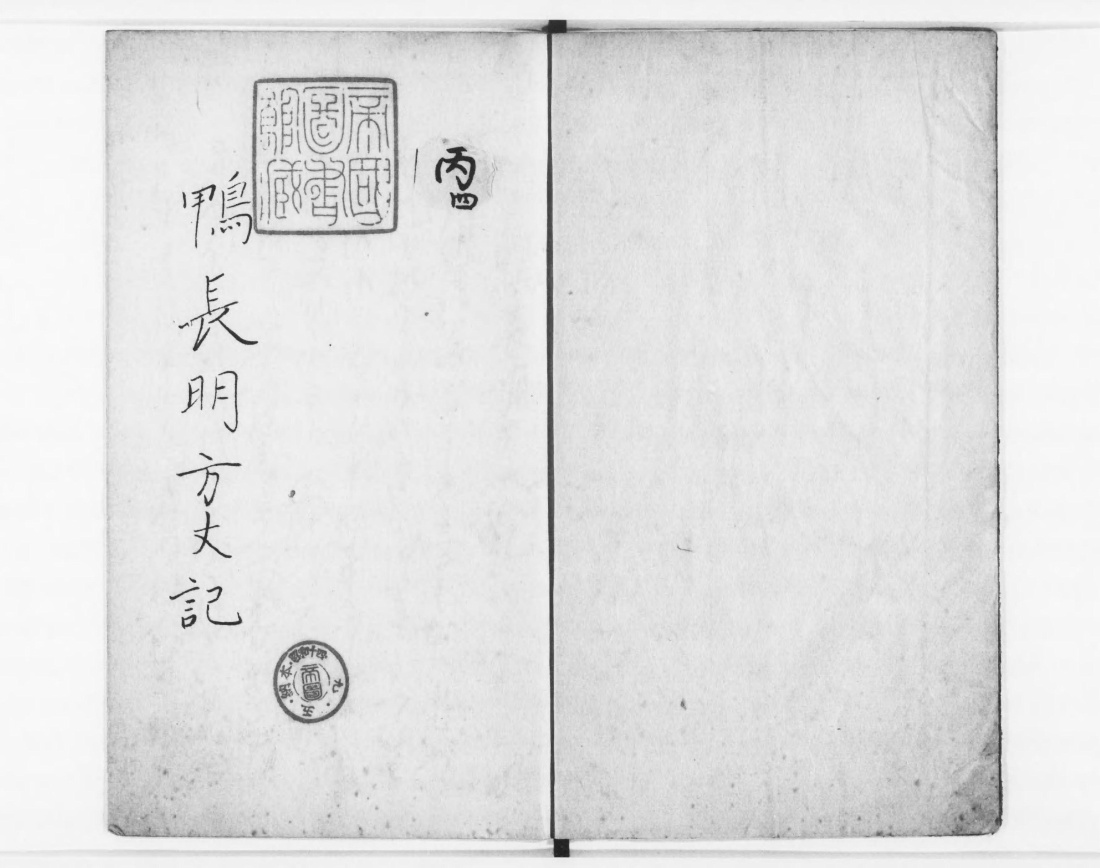
The title page of the early printed edition. National Diet Library copy.

“THE FLOW OF THE RIVER IS CEASELESS, AND ITS WATER IS NEVER THE SAME”

KAMO NO CHŌMEI. Hōjōki 『方丈記』. Japan, early printed edition (Edo period).

A short book about a small hut and a world coming apart, written in 1212 and printed, like The Pillow Book, in the Edo period. Its brevity is its production virtue: a slim facsimile of an early printed edition is the most giftable object in the catalogue and a natural second production after Kokoro. Under consideration.

Read More

Scan not yet pictured

“MINE HAS BEEN A LIFE OF MUCH SHAME”

DAZAI OSAMU. No Longer Human 『人間失格』. Tōkyō : Chikuma Shobō, Shōwa 23 [1948].

Dazai finished the novel in the spring of 1948 and was dead within weeks of its publication that July; the first edition, from Chikuma Shobō, carried his unfinished Good-bye in the same volume. No postwar Japanese novel has been re-read more steadily, and the 1948 printing, set and bound in the shortages of the occupation years, is the object this catalogue wants on the shelf. Under consideration.

Read More

Scan not yet pictured

“WHAT A STRANGE, DEMENTED FEELING IT GIVES ME WHEN I REALIZE I HAVE SPENT WHOLE DAYS BEFORE THIS INKSTONE”

YOSHIDA KENKŌ. Tsurezuregusa 『徒然草』. Japan, early printed editions (17th century).

Two hundred and forty-three fragments by a fourteenth-century courtier turned monk, on taste, impermanence, and the management of boredom, copied by hand for nearly three centuries before print. The Keichō-era movable-type printings of the 1610s, among the most beautiful Japanese books ever made, stand at the head of its printed life. Under consideration.

Read More

This page in Japanese: 日本語で読む(祖語文庫)