花鳥風月

Catalogue 1

Poetry & Art

Books where the object is half the meaning: Midaregami in Fujishima Takeji's design, the Kelmscott Chaucer, an illustrated Genji, Denslow's Oz, and Ichiyō's Takekurabe.

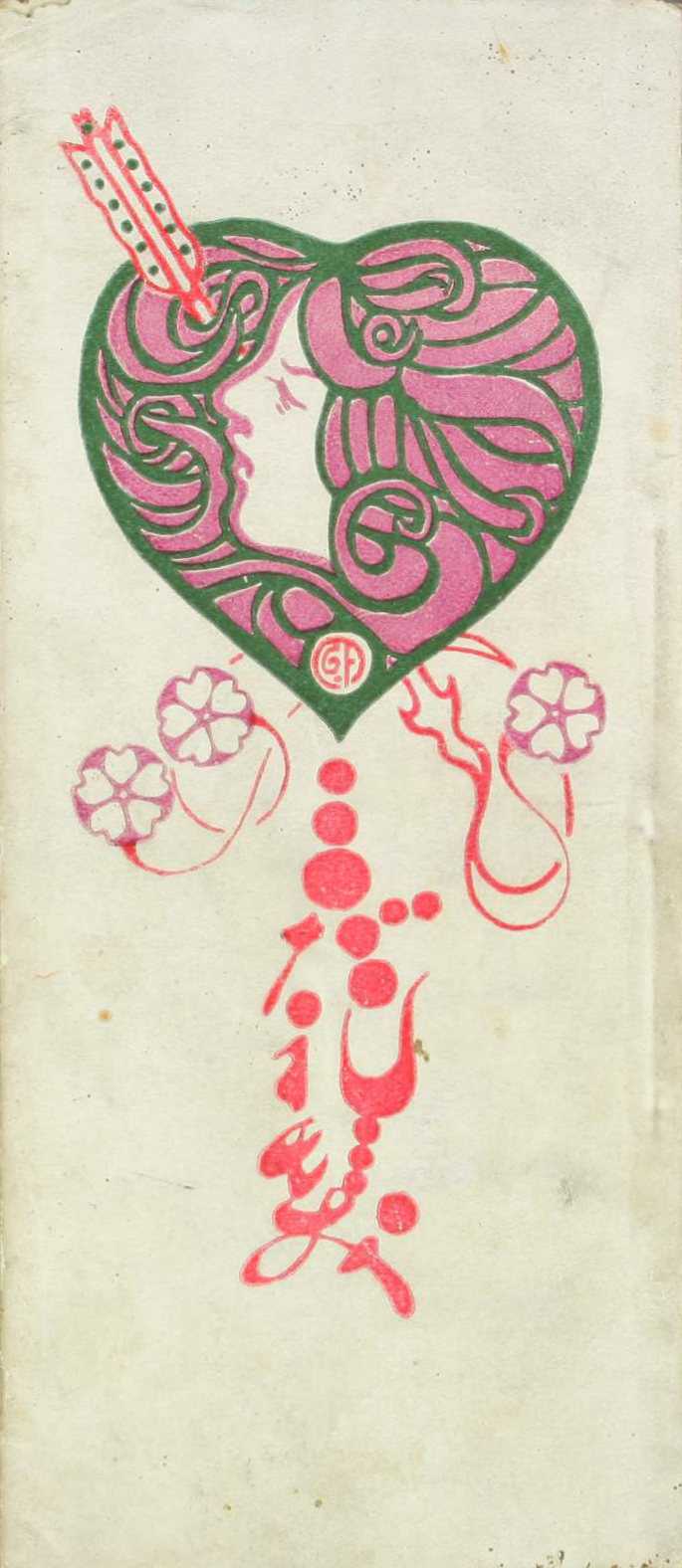
The cover of the first edition (1901), designed by Fujishima Takeji. Wikimedia Commons.

“YOU WHO PREACH THE WAY, ARE YOU NOT LONELY, NEVER HAVING TOUCHED THE HOT BLOOD BENEATH MY SOFT SKIN?”

YOSANO AKIKO. Midaregami 『みだれ髪』. Tōkyō : Tōkyō Shinshisha, Meiji 34 [1901].

Akiko's first collection, published when she was twenty-two, is as famous for its dress as for its verse: the cover and frontispiece by Fujishima Takeji make it one of the most beautiful Japanese books of the Meiji period. A facsimile either keeps that design entire or it is not worth making; this edition keeps it entire. In preparation, source copy identified.
Read More

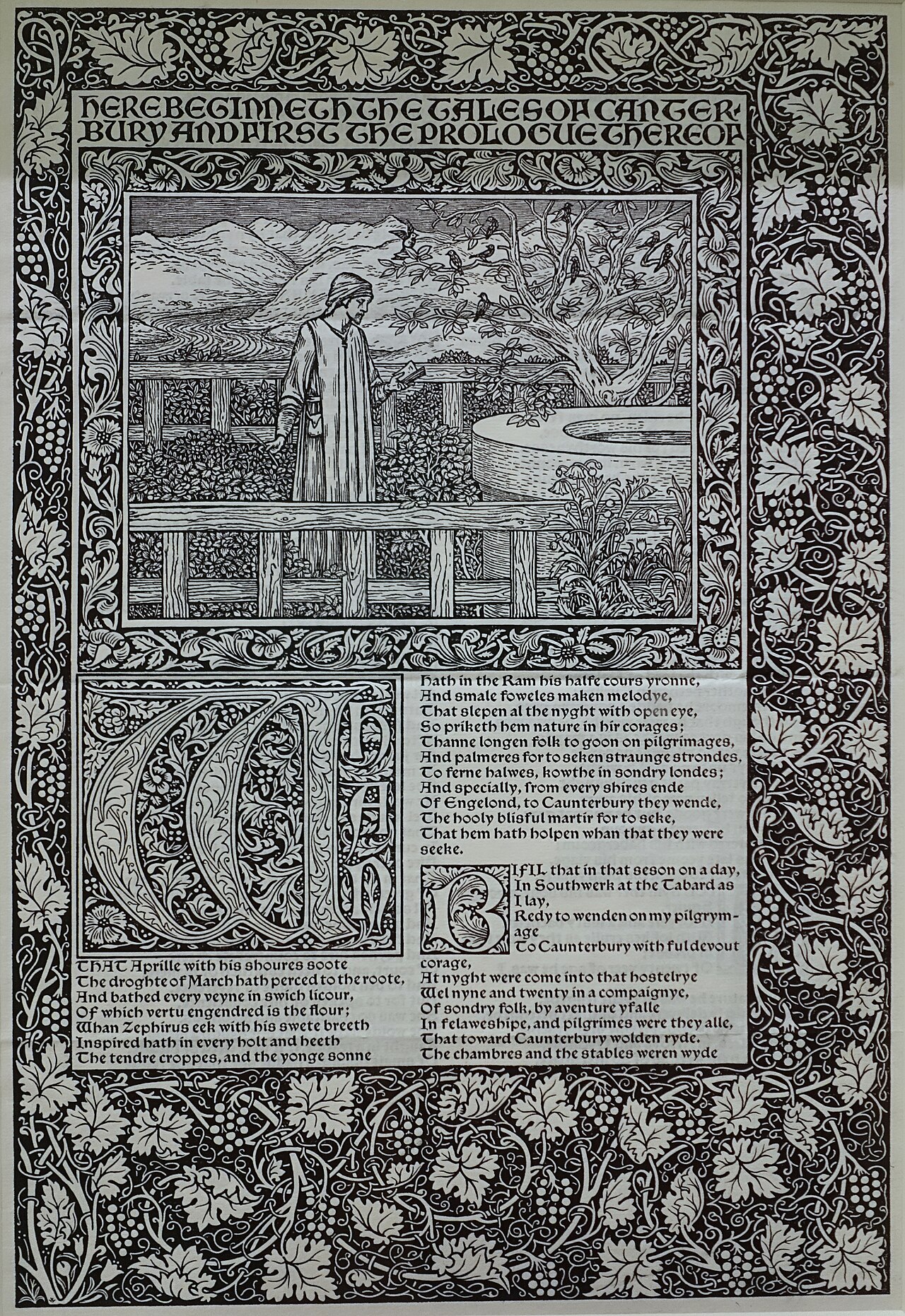
A leaf of the Kelmscott Chaucer: the opening of the Prologue, after Burne-Jones. Fogg Museum, Harvard University.

“IT WILL BE LIKE A POCKET CATHEDRAL, SO FULL OF DESIGN”

GEOFFREY CHAUCER. The Kelmscott Chaucer (selected openings). Hammersmith : Kelmscott Press, 1896.

Morris's last and greatest book: eighty-seven illustrations designed by Burne-Jones, borders and initials by Morris himself, four years in the making. A full facsimile is not a serious promise; selected openings, reproduced at full size and stated as selected, are. In preparation, selected openings only.

Read More

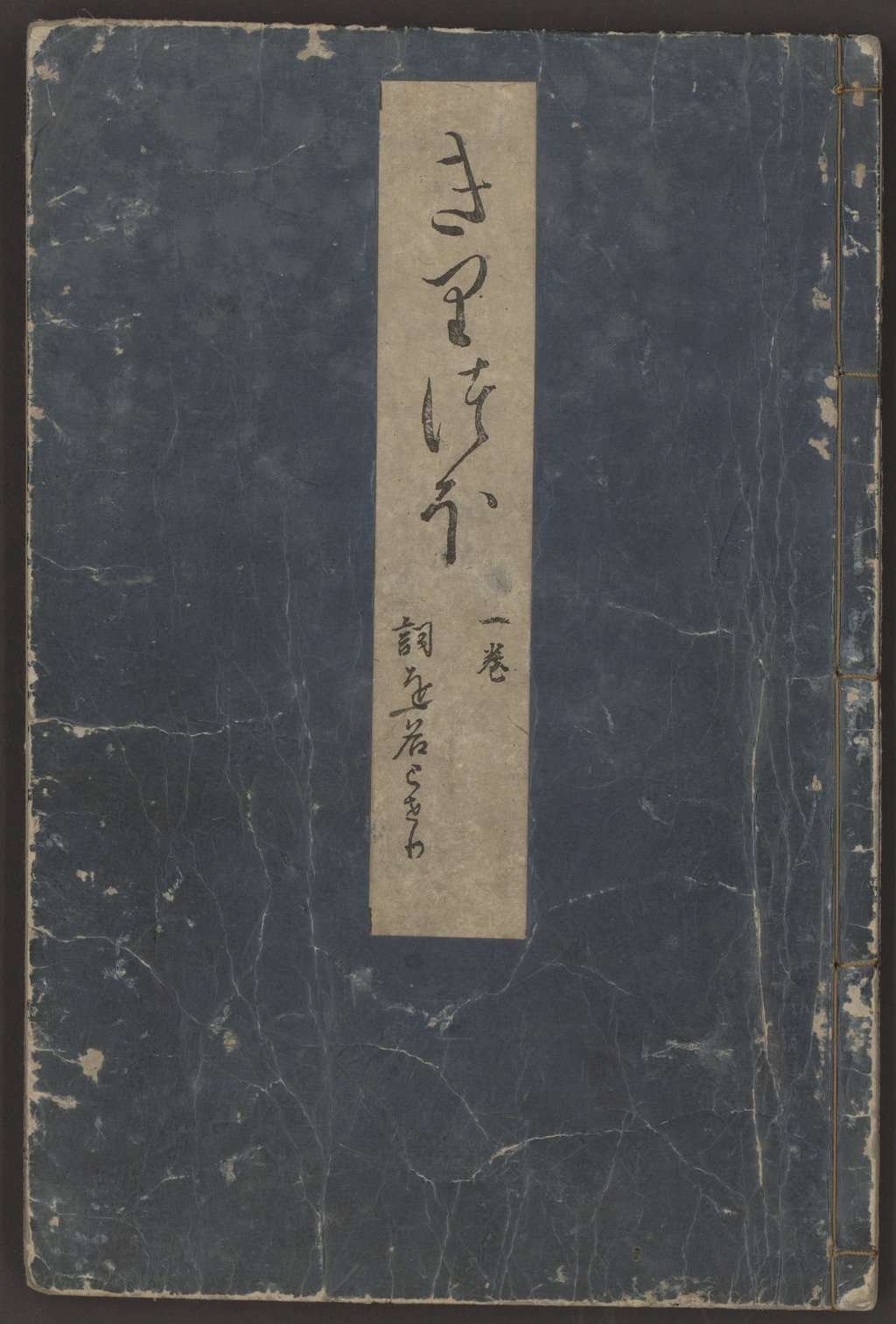
The cover of the first volume of the illustrated printed Genji. World Digital Library copy.

“IN A CERTAIN REIGN THERE WAS A LADY NOT OF THE FIRST RANK WHOM THE EMPEROR LOVED MORE THAN ANY OF THE OTHERS”

MURASAKI SHIKIBU. The Tale of Genji (early illustrated printed edition, selected chapters) 『源氏物語』. Japan, early illustrated printed edition (17th century); selected chapters.

The Genji reached print in the seventeenth century in illustrated editions whose woodblock pictures and cursive text pages look like nothing else in this catalogue. A complete Genji is a library, not a book; this edition takes selected chapters from an early illustrated printing and says so. Under consideration.

Read More

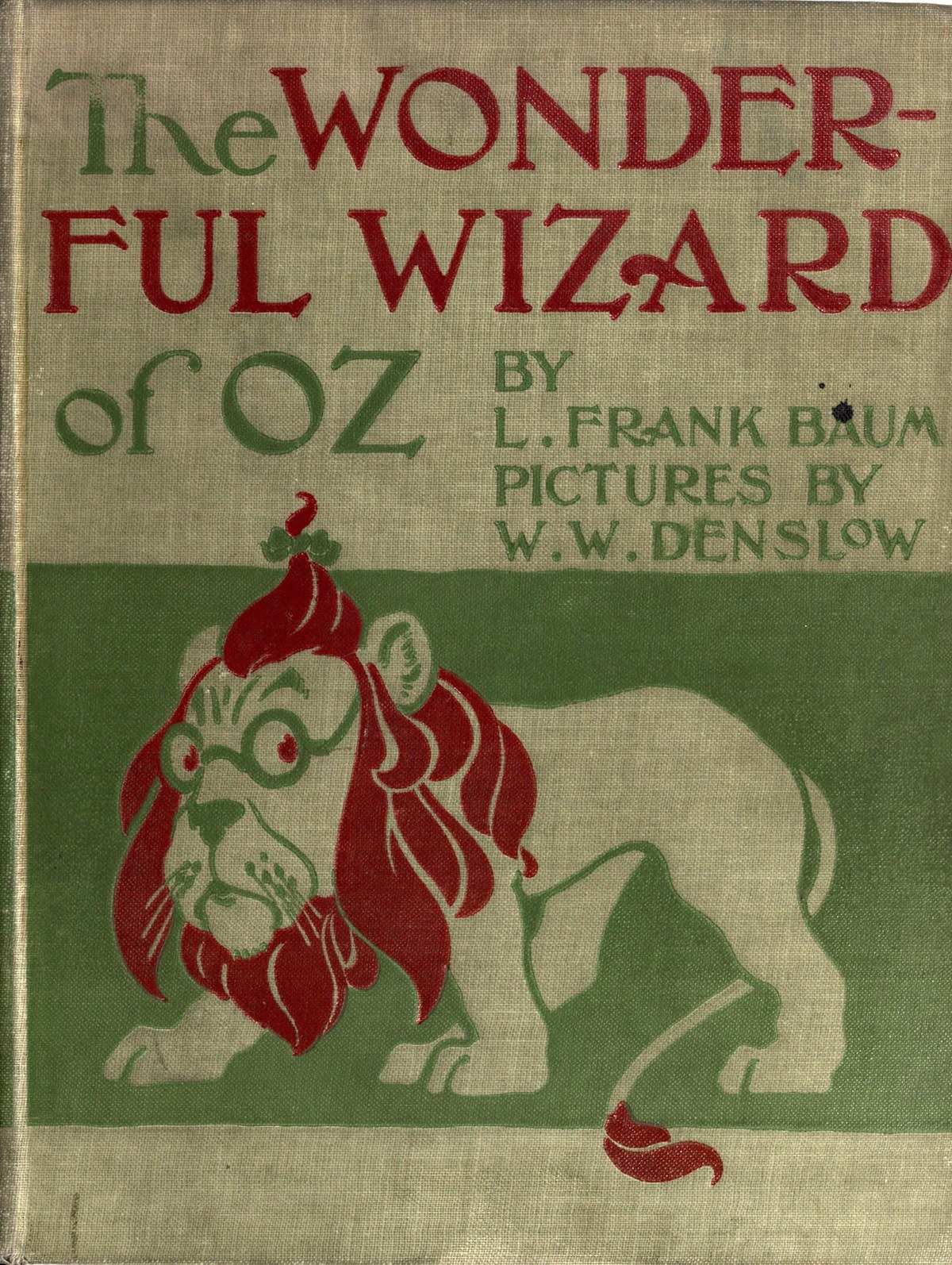
The cover of the first edition (Geo. M. Hill, 1900), Denslow’s Cowardly Lion. Internet Archive scan.

“THERE IS NO LIVING THING THAT IS NOT AFRAID WHEN IT FACES DANGER. THE TRUE COURAGE IS IN FACING DANGER WHEN YOU ARE AFRAID”

L. FRANK BAUM. The Wonderful Wizard of Oz. Chicago and New York : Geo. M. Hill Co., 1900.

Baum and Denslow shared the copyright and the risk, and made the most designed American children’s book of its century: twenty-four colour plates, pictures in the margins, and a cover that puts the Lion, in the green spectacles of the Emerald City, where a title should be. The 1900 Hill printing is a plate book first and a novel second, which is why it stands on this catalogue’s art shelf. Under consideration.

Read More

Scan not yet pictured

“THE WILLOW BY THE GREAT GATE IS LONGER THAN IT LOOKS”

HIGUCHI ICHIYŌ. Takekurabe 『たけくらべ』. First printed in Bungakkai, Meiji 28 [1895] – Meiji 29 [1896].

Serialised across 1895–96, the year before its author's death at twenty-four, Takekurabe is the earliest modern prose on the Japanese shelf and its second woman's voice, set beside Midaregami. The early printings carry the periodical page of the 1890s, which the facsimile keeps. Under consideration.

Read More

This page in Japanese: 日本語で読む(祖語文庫)