温故知新

Catalogue 1

History

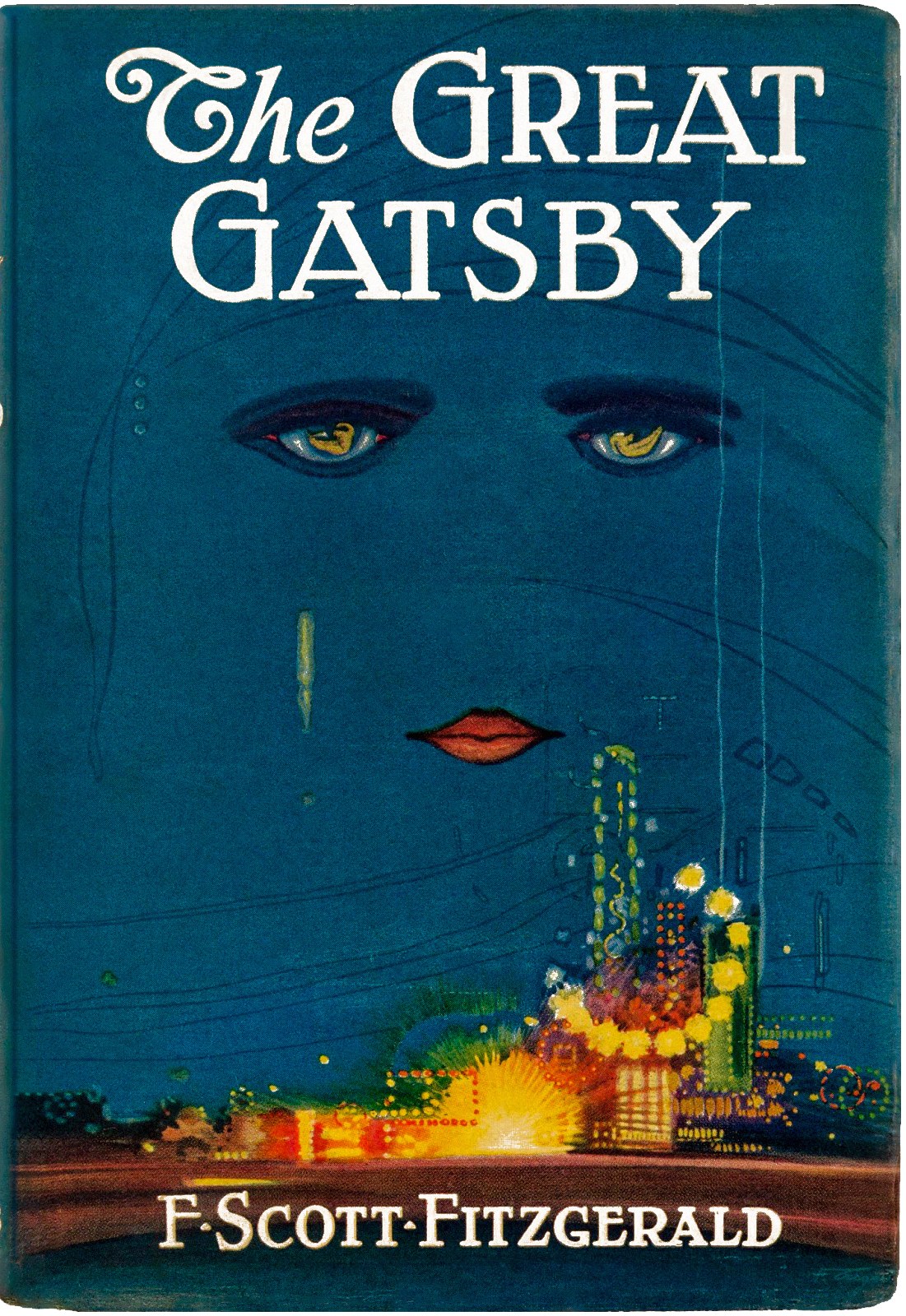
Documents of their moments: Botchan in its first book appearance, Hamlet as the First Folio printed it, Gatsby in Cugat's jacket, Pride and Prejudice published anonymously, and Hakai, printed at its author's expense.

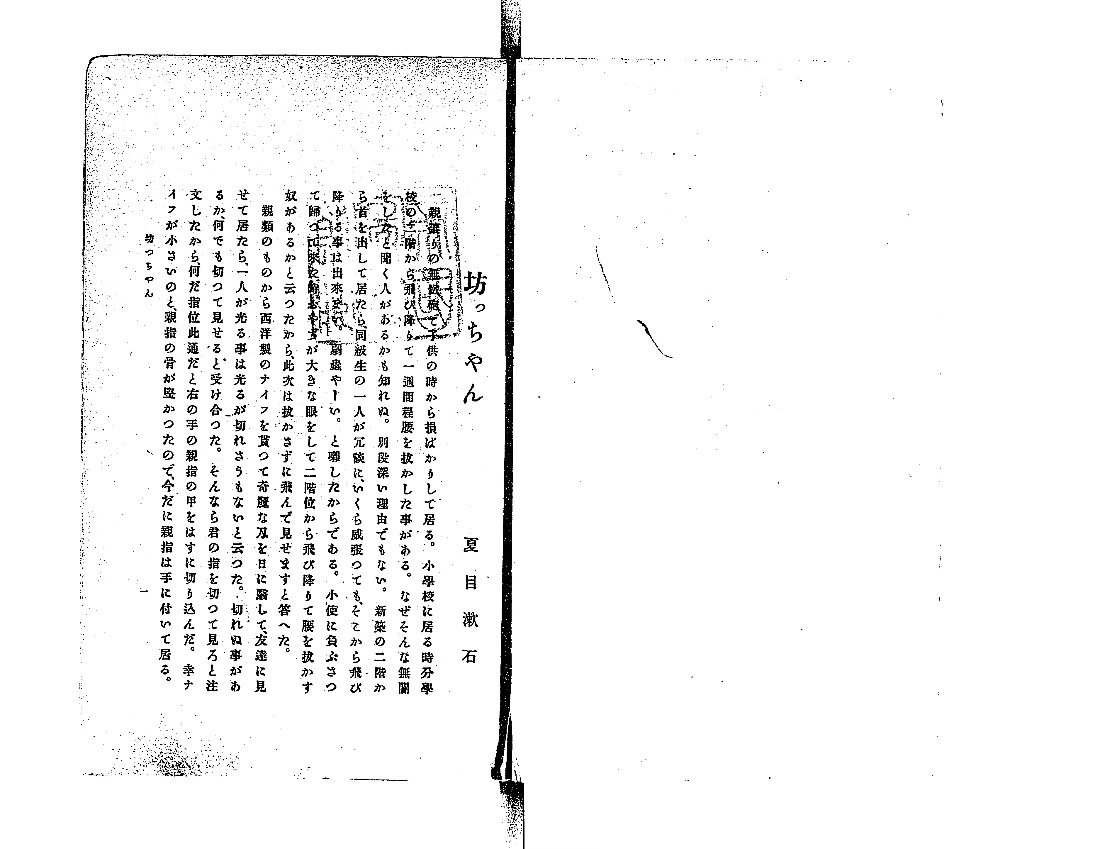
The opening page of Botchan, in Uzuragago (Shunyōdō, 1907), its first book publication. National Diet Library copy.

“I HAVE BEEN A LOSER SINCE CHILDHOOD, THANKS TO THE RECKLESSNESS I INHERITED FROM MY PARENTS”

NATSUME SŌSEKI. Botchan 『坊っちゃん』. First printed in Hototogisu, Meiji 39 [1906]; first book publication Tōkyō : Shunyōdō, Meiji 40 [1907].

Written in a matter of weeks in the spring of 1906 and printed first in Hototogisu, Botchan reached book form the following year inside the collection Uzuragō. Its early covers are bold and graphic, and the book's brevity makes it a natural small facsimile: the whole performance, from first page to last, fits in one hand. Under consideration.
Read More

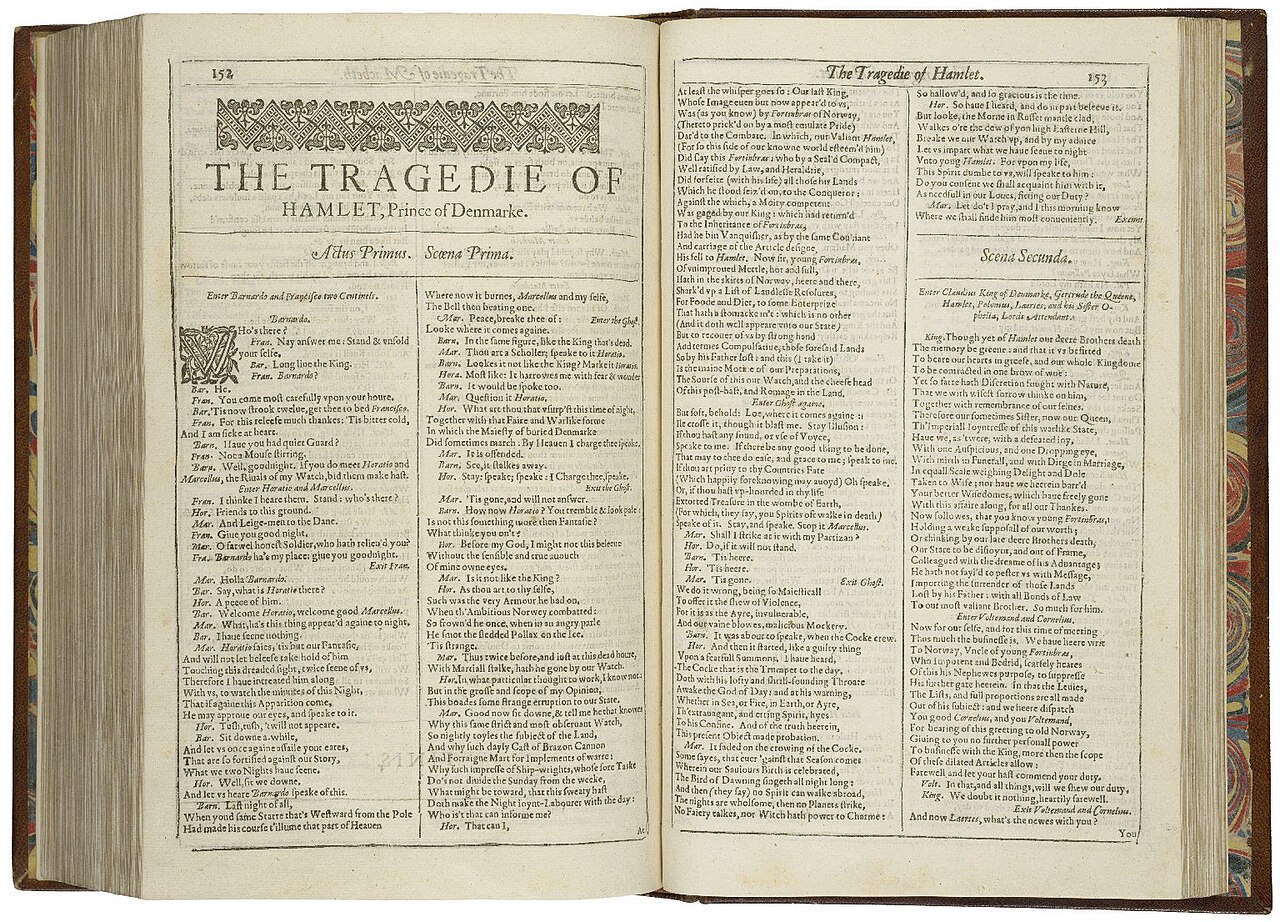
The opening of Hamlet in the First Folio (1623). Folger Shakespeare Library copy.

“HE WAS NOT OF AN AGE, BUT FOR ALL TIME”

WILLIAM SHAKESPEARE. Hamlet, from the First Folio. London : printed by Isaac Jaggard and Edward Blount, 1623.

Eighteen of Shakespeare's plays, Hamlet among them, survive because the Folio of 1623 printed them. This edition takes a single play in the Folio's own two-column setting, the Western equivalent of the woodblock opening, and the oldest printed page in the catalogue by nearly three centuries. Under consideration.

Read More

Francis Cugat’s dust jacket for the first edition (Scribner’s, 1925). Wikimedia Commons.

“SO WE BEAT ON, BOATS AGAINST THE CURRENT, BORNE BACK CEASELESSLY INTO THE PAST”

F. SCOTT FITZGERALD. The Great Gatsby. New York : Charles Scribner’s Sons, 1925.

The book is the jacket: Cugat’s disembodied face over a carnival sky, painted before Fitzgerald had finished the novel and folded into its imagery as he wrote. First editions without the jacket are common; with it, the 1925 Gatsby is the most valuable American novel of its century, and the jacket, not the blue cloth beneath, is what a facsimile must reproduce. Under consideration.

Read More

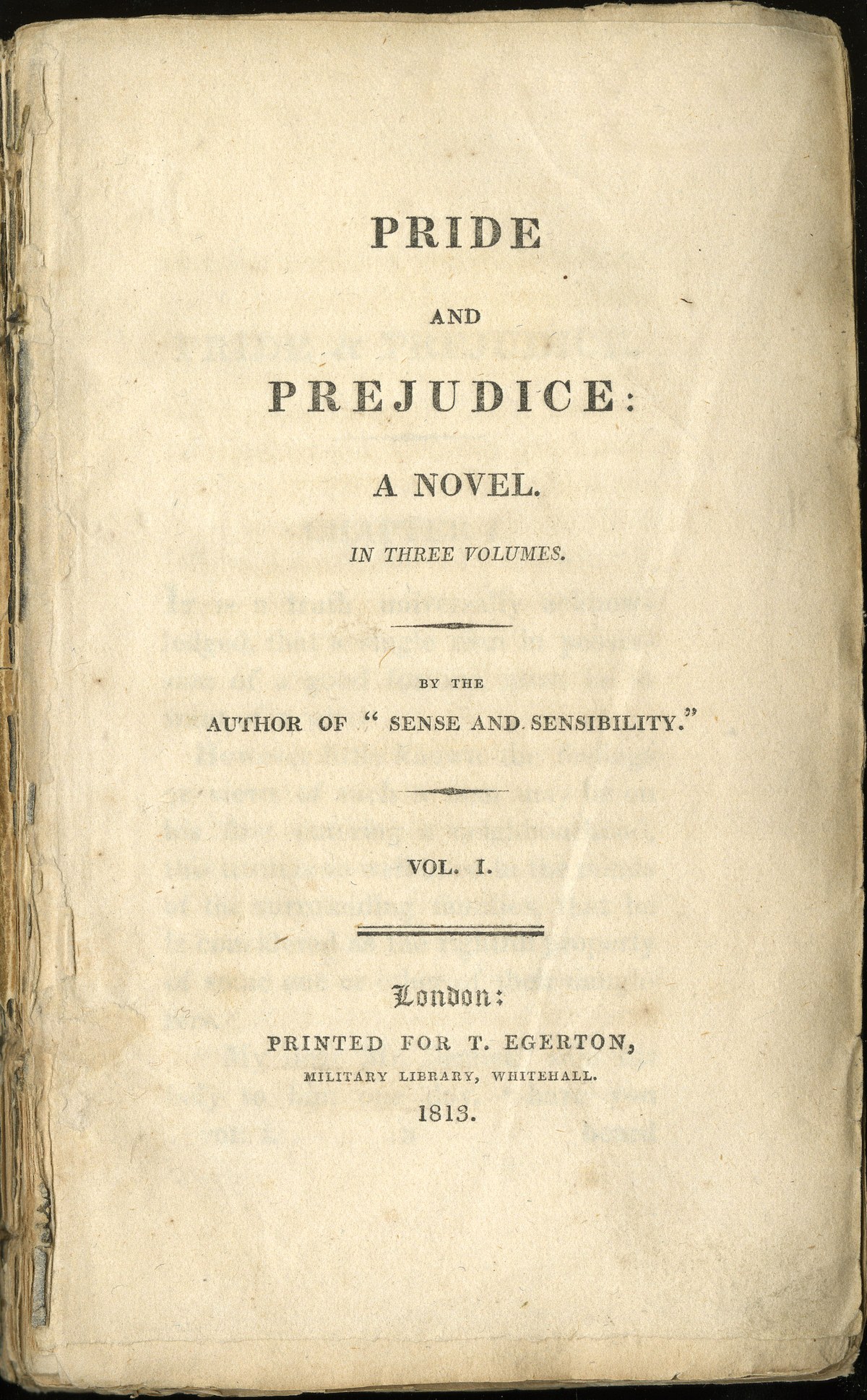
The title page of the first edition, vol. I (T. Egerton, 1813), published anonymously. Wikimedia Commons.

“IT IS A TRUTH UNIVERSALLY ACKNOWLEDGED, THAT A SINGLE MAN IN POSSESSION OF A GOOD FORTUNE, MUST BE IN WANT OF A WIFE”

JANE AUSTEN. Pride and Prejudice. London : T. Egerton, 1813.

Austen’s name appears nowhere in the book: the title page credits only ‘the author of Sense and Sensibility’, and the three volumes came from Egerton’s Military Library in January 1813. It is the most famous anonymous title page in English fiction, and the documentary starting point of the modern novel’s largest afterlife. Under consideration.

Read More

Scan not yet pictured

“WHATEVER YOU SUFFER, NEVER CONFESS WHAT YOU ARE”

SHIMAZAKI TŌSON. Hakai 『破戒』. Tōkyō, Meiji 39 [1906] (published by the author).

No publisher would take Hakai whole, so Tōson published it himself in March 1906 and carried the risk alone, the documented publication story is part of the book. As the first modern Japanese novel of social realism it gives the Meiji shelf its second centre of gravity, outside Sōseki altogether. Under consideration.

Read More

This page in Japanese: 日本語で読む(祖語文庫)