百鬼夜行

Catalogue 1

Folklore

The founding shelf of Japanese folklore studies: Yanagita's Tōno Monogatari, privately printed in 1910, and Akutagawa's early stories, named for the Rashōmon gate.

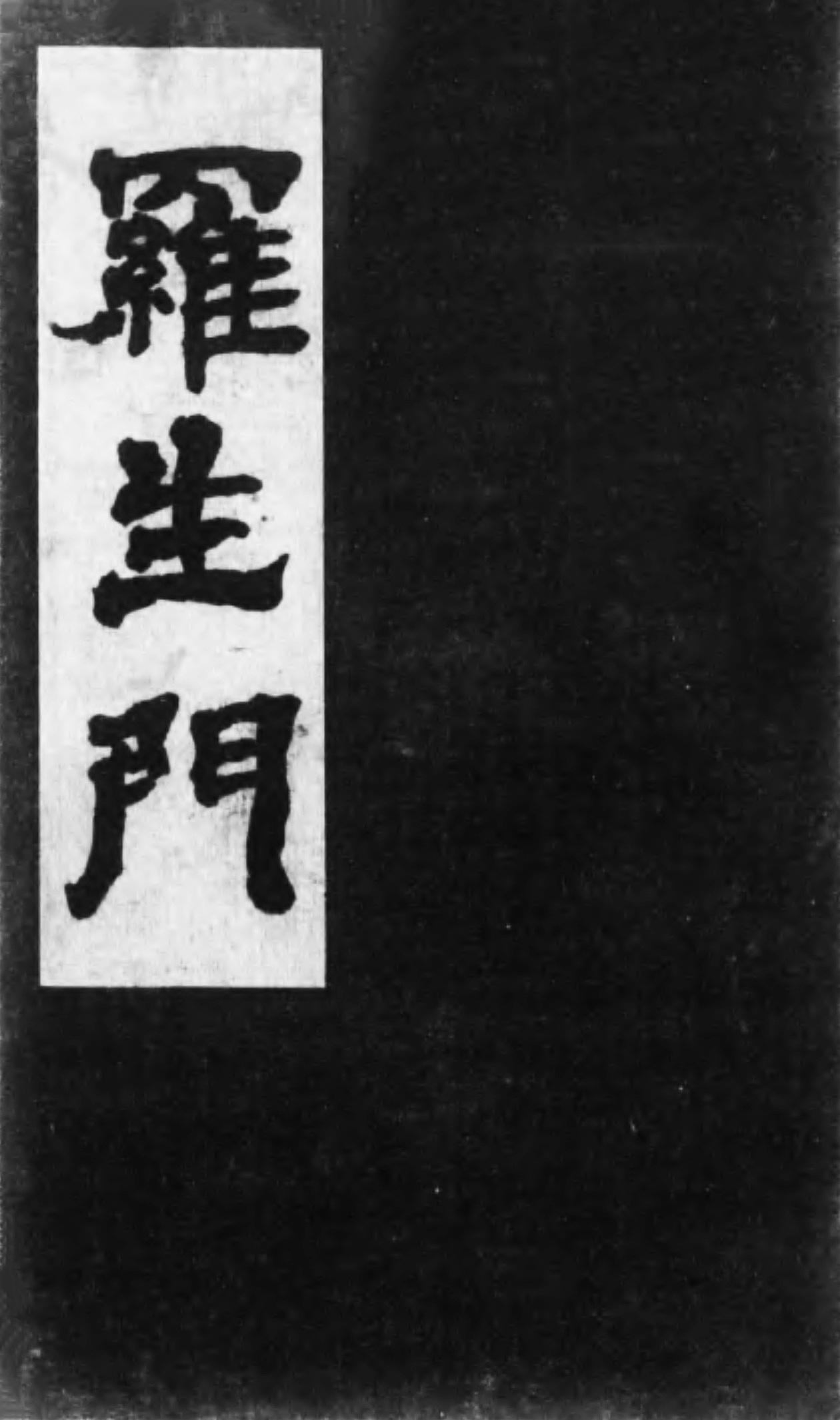
The cover of the first collection (Oranda Shofū, 1917). Wikimedia Commons.

“A LOWLY SERVANT WAS WAITING UNDER THE RASHŌMON GATE FOR THE RAIN TO STOP”

AKUTAGAWA RYŪNOSUKE. Rashōmon and the early stories 『羅生門』. Story first printed 1915; first collection Tōkyō : Oranda Shofū, Taishō 6 [1917].

Rashōmon appeared in the magazine Teikoku Bungaku in 1915, when its author was twenty-three, and gave its name to his first collection two years later. Taishō typography reads distinctly different from Meiji Sōseki, lighter, quicker, and the collection is the catalogue's bridge from the Meiji shelf to the century's second decade. Under consideration.
Read More

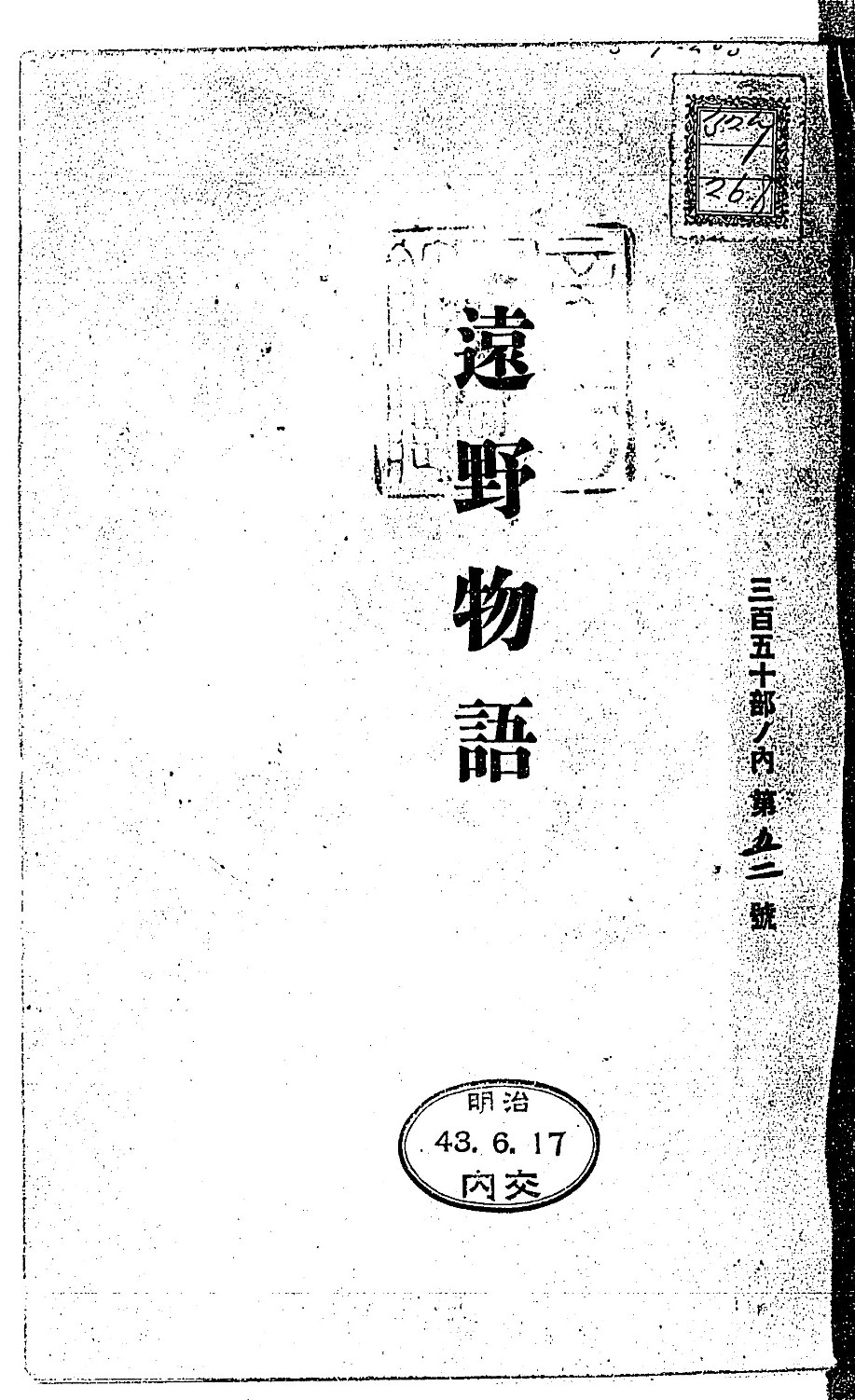
The title page of the 1910 first printing, copy no. 53 of 350. National Diet Library copy.

“TELL THESE TALES, AND MAKE THE PEOPLE OF THE PLAINS TREMBLE”

YANAGITA KUNIO. Tōno Monogatari 『遠野物語』. Japan, 1910 (privately printed; 350 copies).

Yanagita had the book printed at his own expense in June 1910: 350 copies, numbered, of the tales Sasaki Kizen had told him from the Tōno valley, kappa, zashiki-warashi, mountain men. Japanese folklore studies begin with this small book, and the first printing, most of it given away, is among the rarest objects on this catalogue’s Japanese shelf. Under consideration.

Read More

This page in Japanese: 日本語で読む(祖語文庫)