Journal
Journal
This journal is the public record of the house and the engine of its presence in search and in the answer engines: essays on the books, research notes on the scripts and source copies behind them, and hard operational news (print tests, binding decisions, release dates) recorded as it happens. Every entry is a permanent page.
Browse by category:AllEssayResearchProductionNews
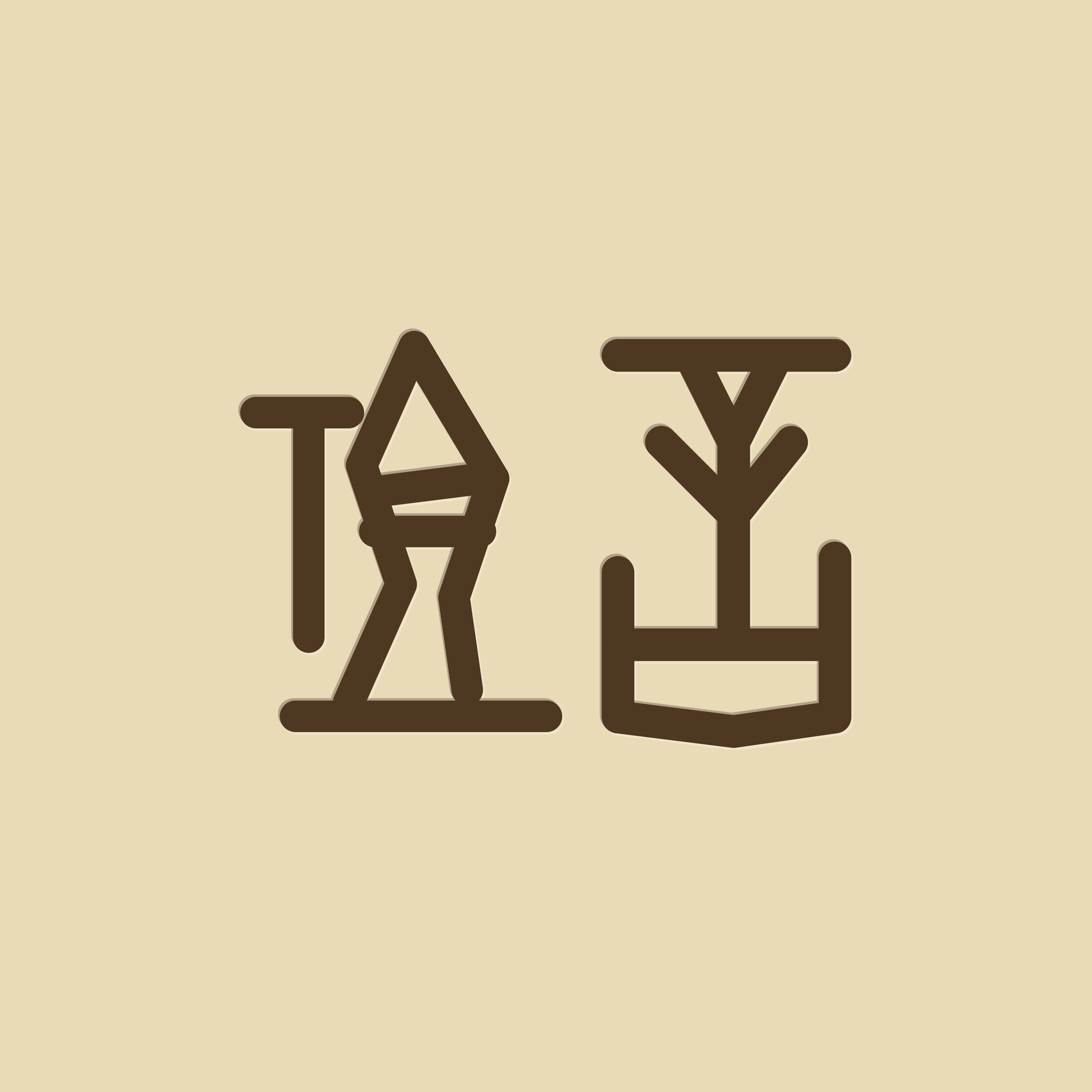
Why the seal script: the mark of this house
Five candidate scripts were researched and scored for the house mark. The Shuowen small-seal pair won, the oracle concept pair was rejected on principle, and the discipline that follows is one sentence long.
One copy or one hundred: what the print research found
Two research reports settle how these editions will be printed. Single-copy print on demand exists, but not from China. The house will launch on BookVault and graduate proven titles to offset runs of one hundred.
Catalogue 1: twenty-six first printings, one method
Catalogue 1 is published on this site: twenty-six items, each naming its source copy, its holding institution and its scan. One item has a price. Nothing is in stock, and the statuses say so.
The characters in the seal: reading the Shuowen
One fact disciplines every claim we make about the mark: the second character has no oracle-bone form. Its earliest attestations are bronze, and the book that files them, vessel by vessel, is Rong Geng's Jinwen Bian.
Midaregami: the cover is the book
Yosano Akiko's first collection is as famous for its dress as for its verse. The Fujishima Takeji cover imposes the editorial rule for Item 04: keep the design entire, or do not make the facsimile at all.
The facsimile method: page images, not re-typesetting
A facsimile, here, means the book itself: page images of a named library copy, restored only by de-skew and tone levelling, checked page by page before printing. Why we never re-set the type.
Source copies: reading rooms, open scans, and the public domain
Every edition begins with one physical copy in one library. Public domain is the legal ground for this catalogue, but the editorial question is harder: which copy, in what condition, and how complete is its scan.
Selected openings: the Kelmscott Chaucer problem
The Kelmscott Chaucer runs to 696 pages and the scale of furniture. A full facsimile is a different undertaking from anything else in this catalogue, so Item 10 says what it is in its title: selected openings only.
Kokoro, 1914: the book Soseki designed himself
Most novels are written and then dressed by other hands. Kokoro was designed by its author, board, endpapers and frontispiece, and the physical object is part of the work. That is why it leads this catalogue.