Journal · Essay
Why the seal script: the mark of this house
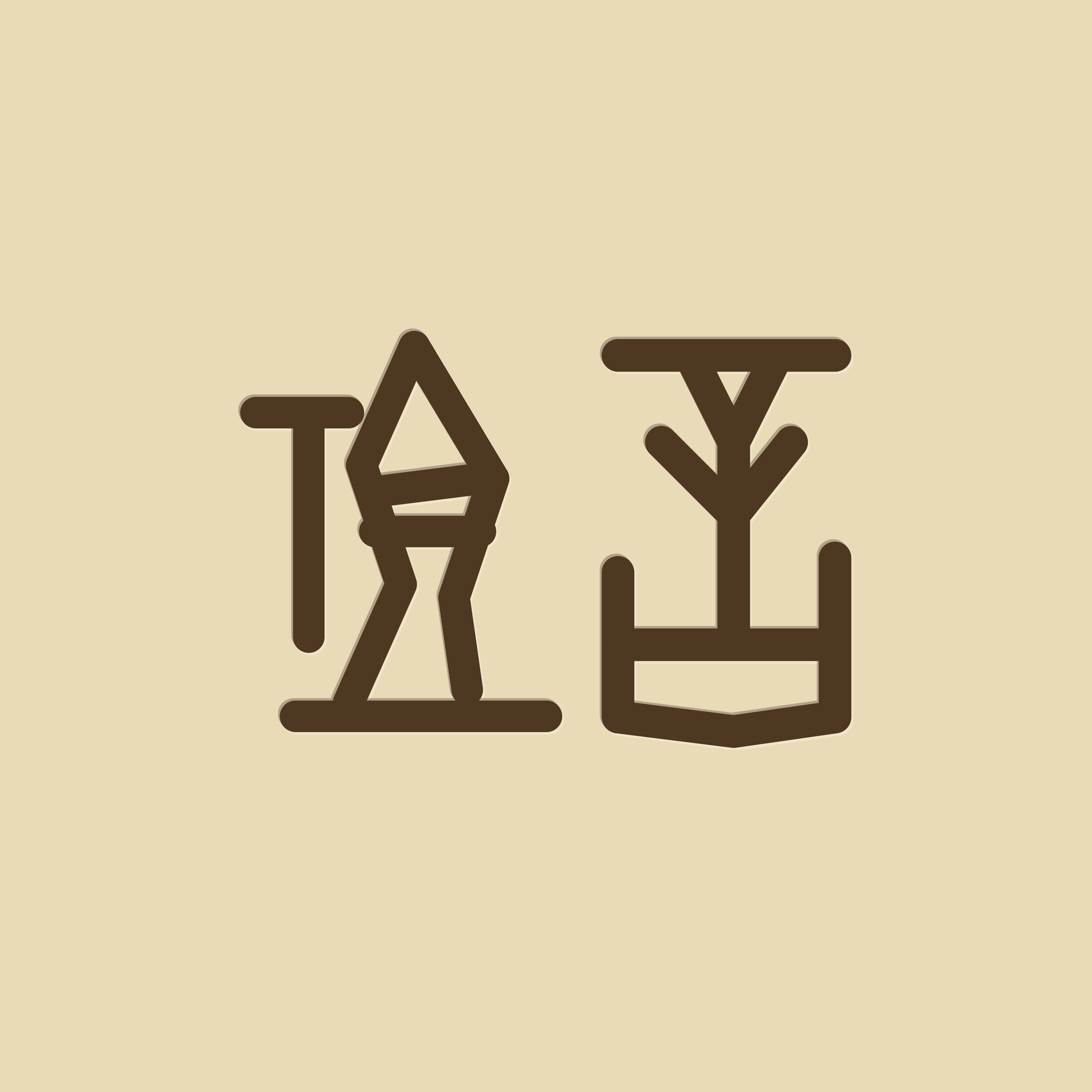
The seal pair in this site's header is the mark of the house, and it was not picked from a font menu. Five candidate scripts were researched and scored for the two characters, on authenticity, small-size legibility, reproducibility, distinctiveness and versatility.
The candidates: the Shuowen small-seal pair, both glyphs fully attested with exactly one canonical form each; a bronze pair from a single vessel, the Zhongshan Wang ding of about 314 BC; the transmitted ancient-script pair, known through Wei and Song copies; a Chu bamboo pair assembled from excavated slips; and an oracle concept pair, built from two genuinely Shang graphs.
The small-seal pair won with 20 of 25. It is the only candidate at or near the top on authenticity, reproducibility and versatility at once: its forms can be checked in minutes against one named standard, clean tracings exist, and it works at every size the brand uses, from a book cover to a favicon, borrowing the formal seal signal that Japanese surfaces already read.
The oracle concept pair was rejected on principle, despite scoring well on ease. It is a construction: no oracle text pairs the two graphs, the compound characters did not exist in oracle script, and its first graph reads to any literate viewer as a different modern character. Raw totals do not override a failed identity test.
The discipline that follows is short enough to print: trace the Shuowen head forms, never a stock seal font, because fonts silently substitute variants; one calligrapher-finished master, used everywhere; and the provenance stated in one line, forms from the Shuowen Jiezi small seal. The known weakness is genericness, since seal script is the default ancient look. The answer is execution, not a stranger script.